
Exploring the Architectural Marvels of the Solariegas Houses Across Centuries
By Asher Garcia · · 4 min read
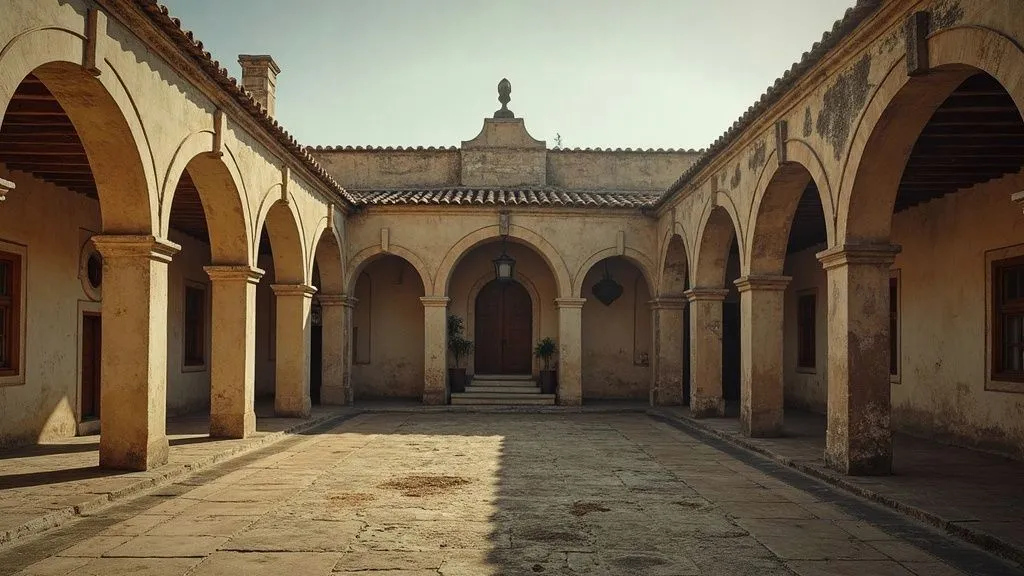
The Solariegas houses stand as a testament to the rich architectural heritage of various regions, primarily in Spain. These structures, characterized by their unique design and historical significance, offer a glimpse into the past while showcasing the craftsmanship and cultural influences of their time. This article aims to delve into the fascinating world of Solariegas houses, exploring their history, architectural features, and the reasons why they remain a significant attraction for travelers today.
Historical Context
The term “Solariega” refers to a type of manor house or noble residence that flourished from the 15th to the 19th centuries. These homes were often built by wealthy families who wanted to display their status and influence. The architectural style of the Solariegas homes varies significantly depending on the region and era, but they commonly feature elements that reflect the cultural blend present during their construction.
During the late Middle Ages and the Renaissance, Spain experienced significant social and political changes. The rise of the bourgeoisie and the nobility led to an increased demand for grand residences. The Solariegas homes emerged as a response to this demand, combining functionality with aesthetic appeal.
Architectural Features
Design Elements
Solariegas houses are known for their distinct architectural features, which often include:
- Large Stone Facades: These residences frequently boast robust stone exteriors, which not only signify wealth but also provide durability against the elements.
- Coats of Arms: Many Solariegas houses display the family crest or coat of arms, serving as a symbol of heritage and lineage.
- Intricate Ironwork: Beautifully crafted balconies and window grills adorned with ornamental ironwork add to the character of these homes.
- Spacious Patios: Central courtyards, or patios, are common in Solariegas houses, providing a private outdoor space that enhances the living experience.
Regional Variations
Depending on their geographical location, Solariegas houses exhibit regional differences in architectural style. For instance:
- Andalusian Solariegas: These houses often feature Moorish influences, with decorative tiles and arches that reflect the Islamic design aesthetics prevalent during the period of Al-Andalus.
- Catalan Solariegas: In Catalonia, these residences may incorporate Modernisme elements, showcasing the works of renowned architects like Antoni Gaudí.
- Castilian Solariegas: In the central regions of Spain, these homes tend to have a more austere appearance, emphasizing functionality over elaborate ornamentation.
Cultural Significance
The Solariegas houses are more than mere architectural landmarks; they represent the social and cultural dynamics of their time. They serve as a reflection of the values, aspirations, and lifestyles of the families that inhabited them.
Preservation of Heritage
Many Solariegas houses have been restored and preserved as part of cultural heritage initiatives. These efforts are crucial in maintaining the historical narrative associated with these homes and ensuring that future generations can appreciate their significance. Museums and cultural organizations often collaborate to host exhibitions, allowing visitors to explore the history and architecture of these properties.
Tourism and Education
Tourists are drawn to Solariegas houses not only for their beauty but also for the stories they tell. Guided tours often provide insights into the lives of the families who once resided in these homes, offering a unique educational experience. Engaging with local historians and guides can enhance one’s understanding of the historical context and significance of these houses.
Iconic Solariegas Houses to Visit
While many Solariegas houses dot the Spanish landscape, a few stand out as must-visit attractions for travelers.
Casa de Pilatos, Seville
This exquisite example of a Solariega house combines Mudéjar, Gothic, and Renaissance architectural styles. Casa de Pilatos boasts stunning tile work, a lush garden, and a remarkable collection of art and antiques, making it a cultural treasure in the heart of Seville.
Palacio de los Condes de Gabia, Granada
Located in Granada, this magnificent palace features a beautiful garden, intricate plasterwork, and a fascinating history that dates back to the 16th century. Visitors can explore its stunning architecture and learn about its role in the city’s history.
Casa Solariega de los Duques de Alba, Salamanca
This remarkable residence showcases the grandeur of the nobility in Salamanca. Its lavish interiors and historical artifacts provide a window into the life of the Spanish aristocracy, making it a popular stop for history enthusiasts.
Visiting Tips
When planning a visit to the Solariegas houses, consider the following tips to enhance your experience:
- Check Opening Hours: Many Solariegas houses have specific visiting hours, and some may require advance reservations for guided tours.
- Engage with Local Guides: Hiring a local guide can enrich your understanding of the architectural details and historical context of the houses you visit.
- Respect the Heritage: Remember that these homes are part of cultural heritage. Be respectful and follow any guidelines provided during your visit.
- Take Your Time: Allow yourself ample time to explore and appreciate the intricate details that adorn these structures. Each Solariega house has its own unique story to tell.
Conclusion
The Solariegas houses, with their rich history and architectural splendor, provide a remarkable insight into Spain’s cultural past. They are not just structures; they embody the aspirations, artistry, and heritage of the people who built and inhabited them. For travelers seeking a deeper understanding of Spain’s architectural evolution and cultural narrative, visiting these houses is an enriching experience that connects the past with the present. The journey through time that these Solariegas homes offer is one that is truly unforgettable.