
Discovering the Grapevine Cycle: A Journey Through Viticulture Wonders
By Asher Garcia · · 5 min read
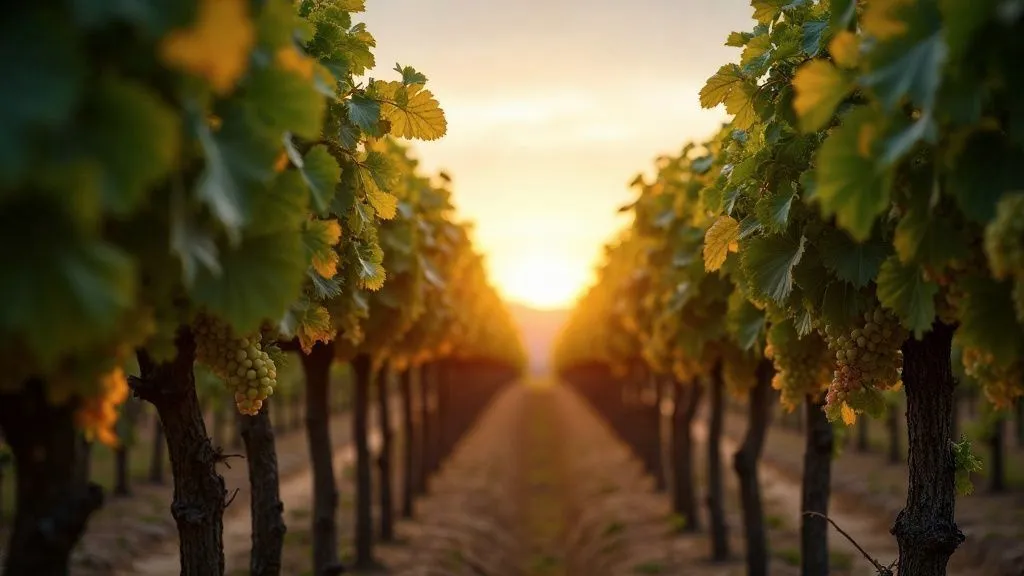
The art of winemaking has fascinated humanity for centuries, and at the heart of this ancient practice lies the grapevine. The cycle of the vine is not merely a natural phenomenon; it is a captivating journey that spans the seasons. This article will explore the intricate processes that define the grapevine cycle, the fundamental stages of viticulture, and the remarkable places where these traditions thrive.
The Lifecycle of the Grape Vine
Understanding the grapevine cycle involves examining the various stages that a vine undergoes throughout the year. Each phase is crucial, not only for the production of quality grapes but also for the overall health of the vineyard.
Bud Break
The cycle begins with bud break, typically occurring in early spring. After a long winter dormancy, the grapevine awakens. During this phase, the buds swell and eventually burst open, releasing tender green shoots. This is a critical time, as the risk of frost can jeopardize the new growth. In warmer climates, however, bud break may occur as early as March, while in cooler regions, it can be delayed until April or May.
Shoot Growth
Following bud break, the vine enters the shoot growth phase. This is when the shoots begin to elongate, and leaves start to unfurl. The leaves play a vital role in photosynthesis, converting sunlight into energy, which is essential for the vine’s growth and grape development. In this stage, proper vine management is essential. Vineyard owners must ensure adequate water supply, monitor soil health, and control pests to promote healthy growth.
Flowering and Fruit Set
As spring progresses toward summer, the flowering phase takes place. In most grape varieties, flowers appear in late spring, typically between May and June. These delicate blossoms are crucial for fruit production. During pollination, the flowers will transform into tiny grape clusters. This process is known as fruit set. A healthy fruit set is vital for the future yield, and vineyard managers often implement practices like thinning to ensure that the vines do not become overburdened.
Veraison
With summer in full swing, the vines undergo a transformation known as veraison. This phase marks the beginning of grape ripening. The berries change color, with green grapes turning to shades of yellow or pink, while red varieties shift to deep purple. During veraison, the level of sugar in the grapes increases, while acidity levels begin to decrease. This is an exciting time for winemakers, as they closely monitor the berries to determine the optimal time for harvest.
Harvest
Harvesting marks the culmination of the grapevine cycle. Depending on the grape variety and climate, harvest can occur anywhere from late summer to early fall. This phase requires careful planning and execution, as timing is crucial to achieving the desired flavor profile in the wine. Traditionally, grapes are harvested by hand, allowing for selective picking of the ripest fruit. However, larger vineyards may utilize mechanical harvesters for efficiency.
Post-Harvest Management
After the harvest, the cycle does not end. Vineyard owners engage in post-harvest management to prepare the vines for dormancy. This may include pruning, a critical practice that shapes the vine for the following year. Pruning encourages healthy growth, improves air circulation, and helps control pests. It is a labor-intensive process that requires skill and knowledge.
The Impact of Terroir on the Vine Cycle
Terroir, a French term encompassing the natural environment where vines are grown, plays a pivotal role in viticulture. Factors such as soil composition, climate, and topography significantly influence the grapevine cycle and the character of the wines produced.
Soil Composition
The soil provides nutrients essential for vine health. Different soil types—such as clay, limestone, sandy, or volcanic—contribute unique flavors and characteristics to the grapes. For example, grapes grown in rocky soil often have lower yields but produce concentrated flavors. An understanding of soil composition helps vineyard managers identify the ideal grape varieties for their land.
Climate
Climate is another critical element. Regions with warm days and cool nights allow grapes to ripen slowly, enhancing flavor development. In contrast, excessively hot climates can lead to overripe grapes with high sugar levels but low acidity. Understanding the local climate allows vineyard owners to adapt their practices for optimal fruit quality.
Topography
The landscape can significantly affect sunlight exposure and drainage, impacting the grapevine cycle. Vines planted on steep slopes may benefit from better drainage and increased sun exposure, leading to healthier grapes. Conversely, flat areas might retain water, which can harm vine health. Therefore, strategic vineyard placement is essential in maximizing the benefits of topography.
Notable Regions to Experience the Grape Cycle
Traveling to renowned wine regions offers an opportunity to witness the grapevine cycle firsthand. From the rolling hills of Tuscany to the rugged vineyards of California, each location presents unique experiences.
Tuscany, Italy
Tuscany is famous for its picturesque landscapes and exceptional wines like Chianti and Brunello di Montalcino. The region’s rich soil and Mediterranean climate create ideal conditions for viticulture. Wine tours in Tuscany often include visits to family-owned vineyards, where visitors can engage in the harvest and learn about traditional winemaking techniques.
Napa Valley, California
Napa Valley is a powerhouse in the wine industry, known for its Cabernet Sauvignon and Chardonnay. The valley’s climate allows for a long growing season, which is essential for producing high-quality grapes. Many wineries in Napa offer guided tours during the harvest season, providing insight into the grapevine cycle and the science of winemaking.
Mendoza, Argentina
Mendoza, nestled at the foothills of the Andes, boasts some of the highest vineyards in the world. The combination of high altitude and ample sunshine leads to exceptional Malbec wines. Visiting Mendoza during the harvest season presents a unique chance to explore the vibrant culture surrounding viticulture, with local festivals celebrating the grape.
Conclusion
The grapevine cycle is a fascinating journey of growth, transformation, and seasonal rhythms. Understanding this cycle not only deepens one’s appreciation for wine but also highlights the complex interplay of nature and human craftsmanship in viticulture. Whether you’re a seasoned oenophile or a curious traveler, exploring the world of grapevines offers endless opportunities for discovery and enjoyment.