
Navigating the World: A Comprehensive Look at Effective Travel Mapping
By Asher Garcia · · 4 min read
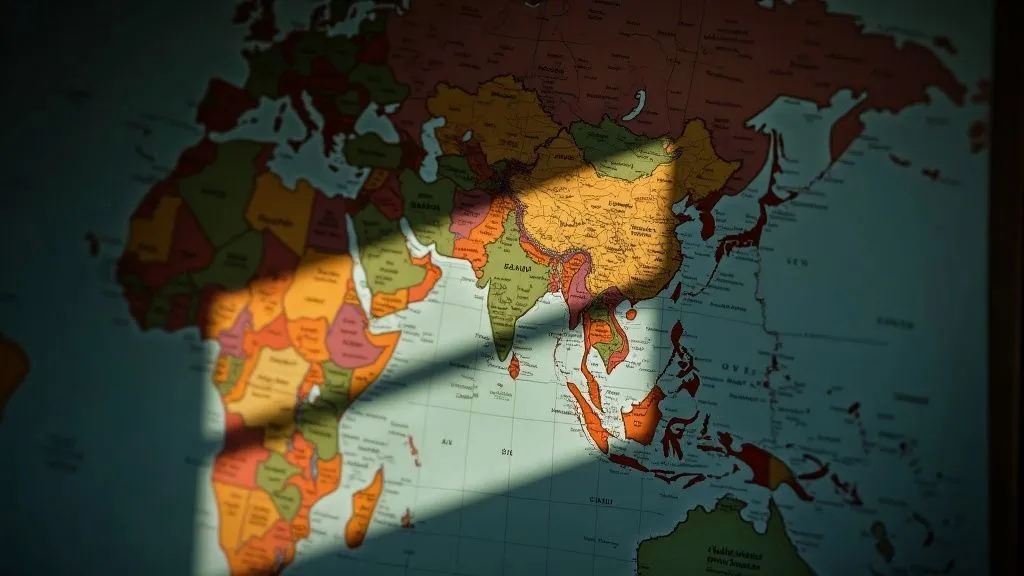
Traveling to new destinations can be one of life’s most rewarding experiences. However, without a proper understanding of how to navigate these locations, your journey might not go as smoothly as planned. Mapping out your travels is an integral part of any trip, helping you to explore efficiently and discover hidden gems. In this article, we will delve into the significance of travel mapping, its various tools, and best practices to ensure you make the most of your adventures.
The Importance of Travel Mapping
When planning your travels, mapping is not just about finding your way from point A to point B. It has broader implications that can enhance your travel experience significantly.
Enhancing Your Itinerary
A well-constructed map serves as the backbone of your itinerary. It allows for visualizing your journey, helping you to prioritize activities based on distance and accessibility. For instance, if you’re planning to visit several museums in a city, a map can help you determine which ones are closest together, allowing you to maximize your time.
Safety and Navigation
Understanding the layout of a new city or region is crucial for safety. A comprehensive map will indicate which areas are safe to navigate and which might be best to avoid. Moreover, having a clear idea of public transport routes can save you time and prevent you from getting lost in unfamiliar surroundings.
Discovering Hidden Gems
Travel mapping can also unveil some of the best-kept secrets of your destination. By looking beyond standard tourist routes, you can find local eateries, parks, and attractions that are often overshadowed by more popular sites. Engaging with maps that highlight lesser-known areas can lead to unique and memorable experiences.
Types of Travel Maps
There are various types of maps and mapping tools that cater to different travel needs. Understanding these can help you choose the right one for your next adventure.
Physical Maps
While digital maps are prevalent today, traditional physical maps still have their place. They are reliable and do not require an internet connection, making them invaluable in areas with limited service. Moreover, they can provide a broader perspective of the region, allowing you to understand geographical features better, such as mountains, rivers, and roads.
Digital Maps
Digital mapping tools like Google Maps, Apple Maps, and various travel apps have transformed how we navigate. These platforms come with features such as real-time traffic updates, directions for different modes of transport, and even user-generated reviews of attractions. Many apps also allow you to create personalized maps, highlighting places you want to visit.
Specialized Travel Maps
For those embarking on specific types of travel, specialized maps can be incredibly beneficial. If you’re an outdoor enthusiast, hiking maps may include trail information and elevation changes. Cultural maps can provide insights into historical sites, festivals, and local customs, while food maps can guide you to the best local cuisine.
Best Practices for Travel Mapping
To make the most of your travel mapping experience, consider these best practices before and during your trip.
Research Before You Go
Before you set out on your adventure, spend time researching your destination. Identify key attractions, restaurants, and experiences you don’t want to miss. Use digital mapping tools to create a preliminary itinerary highlighting these spots.
Create a Custom Map
While general maps provide a good overview, customizing your own map can be incredibly useful. Take advantage of digital tools that allow you to pin locations, add notes, and organize your travel routes. This personalized map will serve as a handy guide during your trip.
Stay Flexible
While having a map is essential, it’s equally important to remain flexible in your plans. Sometimes, spontaneous detours can lead to the most memorable experiences. If you come across a local market or festival not marked on your map, don’t hesitate to explore.
Download Offline Maps
Many mapping applications offer an offline option, allowing you to download specific regions to access without an internet connection. This feature is especially useful when traveling to remote areas where service may be spotty.
Use Landmarks as Guides
When navigating a new city, it can be helpful to use prominent landmarks as reference points. Famous buildings, parks, or statues can serve as navigation aids, making it easier to orient yourself and make your way through the city.
The Future of Travel Mapping
As technology continues to evolve, so does the future of travel mapping. Innovations in augmented reality (AR) and virtual reality (VR) are providing travelers with immersive mapping experiences. With AR, travelers can use their smartphones to overlay digital information onto the physical world, enhancing their exploration.
Moreover, as more travelers rely on mobile devices, the importance of user-friendly interfaces and intuitive designs in mapping applications will only increase. The future will likely see a greater emphasis on community-driven mapping efforts, allowing travelers to share their experiences and insights in real-time.
Conclusion
Travel mapping is an essential skill that can significantly elevate your travel experience. By understanding the importance of mapping, utilizing various tools, and adhering to best practices, you are setting yourself up for success on your next adventure. Embrace the art of navigation, and you may find that the journey is just as rewarding as the destination itself. Whether you’re exploring a bustling city or wandering through remote landscapes, a well-crafted map will guide you through every twist and turn, helping you uncover the wonders of the world. Happy travels!